Experienced Painters at Pentagon Painting, Inc.
" From Color Selection to Clean-Up: What to Expect From Your Painting Services"
When utilizing expert painting contractors, homeowners can anticipate a structured approach that commences with choosing the right colors. This decision is crucial for achieving a harmonious environment. A preparation phase comes next, establishing the foundation for a satisfying finish. Familiarizing yourself with the methods and approaches used can improve your overall expectations. Yet, the process extends beyond this point. What takes place during the painting session, and how is the environment refreshed following the work? Investigating these factors highlights the real worth of hiring professional painters.
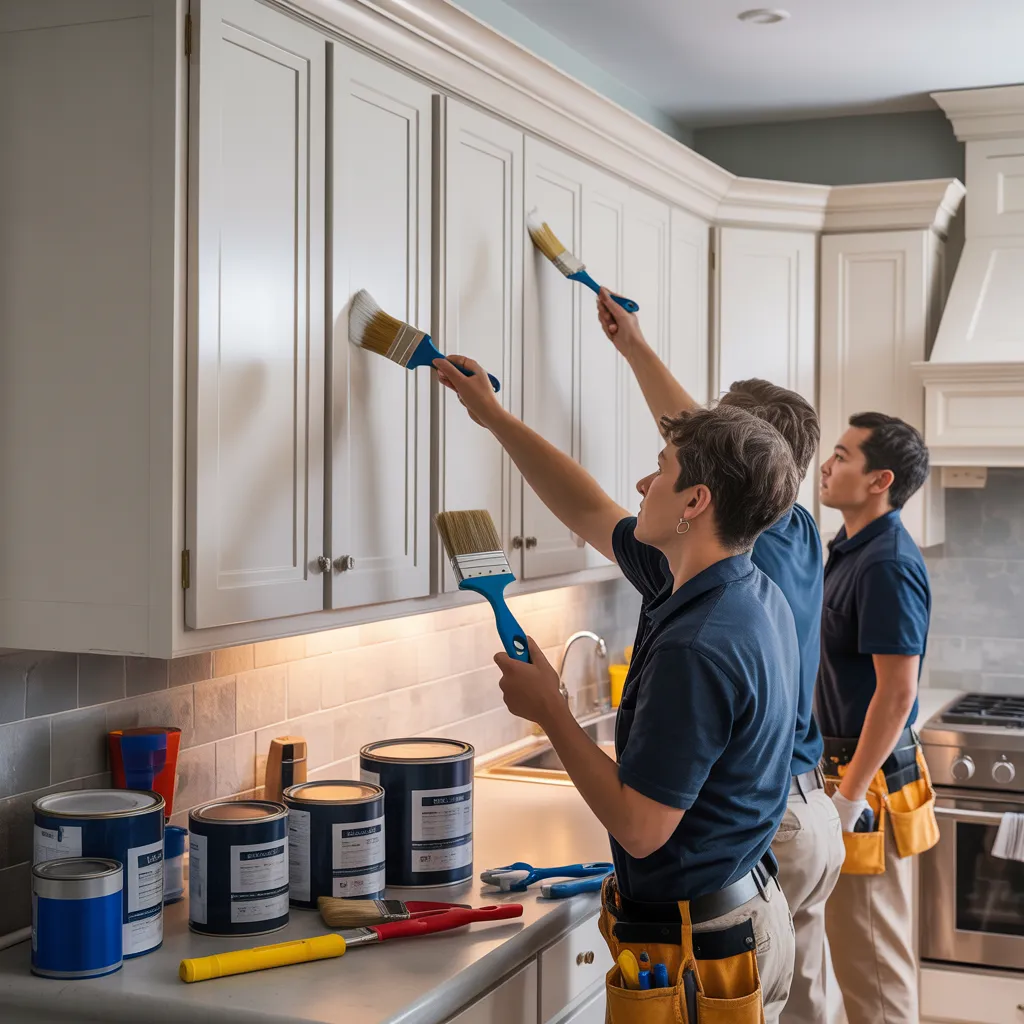
Selecting Colors: Tips for a Balanced Space
When selecting colors for a painting project, homeowners should consider how distinct tones relate to one another within a space. The color decision not only impacts the overall look but also affects the ambiance and impression of scale within a room. Pale tones can generate a feeling of expansiveness, allowing compact spaces to appear bigger, while dark hues can add depth and intimacy.
Homeowners should also take into account the lighting conditions in each room, as natural and artificial light can alter the appearance of colors throughout the day. Coordinating colors with existing furnishings and decor is essential for achieving a cohesive look. Moreover, accounting for the connection between adjoining areas promotes balance throughout the entire home. Testing color samples on the walls can provide insight into how the picked shades will present themselves in diverse lighting situations. Ultimately, thoughtful color selection contributes greatly to the complete aesthetic of the home.
Getting Your Home Ready for a Successful Paint Job
Preparing a home for painting necessitates careful attention to detail. Clearing out furniture and properly protecting surfaces are essential steps to ensure a smooth process and optimal results. By implementing these measures, homeowners can create a more efficient painting environment.
Get Rid of Furniture
Clearing away furniture is crucial for a successful painting project. It permits painters to work on all surfaces without obstruction, guaranteeing an even application of paint. By taking out items such as chairs, desks, and storage units, homeowners can protect against accidental harm to their possessions while improving the efficiency of the painting process. Additionally, clearing the area creates a cleaner environment, allowing the painters to work with less interference. It is recommended to move furniture to another room or an outdoor space, while also accounting for the removal of wall decorations and light fixtures. This preparation step not only protects the furniture but also supports a more streamlined workflow, producing a polished finish and a faster turnaround time for the painting project.
Protect Surfaces Properly
To guarantee a smooth painting endeavor, safeguarding surfaces is fundamental. Professional painting services commonly commence by inspecting the site to pinpoint surfaces that need protection, such as floors, furniture, and fixtures. They often use protective coverings or plastic tarps to protect flooring and furniture, preventing paint splatters and drips. Furthermore, painters will tape edges and moldings to achieve sharp lines and reduce the chance of unintended overspray. Particular attention is paid to sensitive surfaces or spaces needing additional care. By employing these protective measures, expert painters develop a suitable workspace for the project, guaranteeing that the outcome aligns with the homeowner's vision while maintaining the integrity of the property's surfaces.
The Reason Surface Preparation Is Key to a Flawless Finish
While many may underestimate the value of surface preparation, it details plays a fundamental role in achieving a flawless finish in painting projects. Adequate preparation includes cleaning, sanding, and repairing surfaces to confirm they are uniform and clear of defects. This significant step improves paint adhesion, decreasing the risk of flaking or chipping as time passes.
Lack of proper preparation can lead to inconsistent surfaces that diminish the appearance of the end result. Dust, grease, or old paint can act as barriers that stop new paint from adhering properly, producing an unsatisfactory finish. Moreover, detecting and resolving any underlying problems, such as structural damage or mold, is necessary for guaranteeing extended durability.
At the end of the day, putting time and effort into surface preparation lays the foundation for a truly professional finish. By prioritizing this step, clients can enjoy a beautiful, lasting finish that enhances their space and reflects quality workmanship.
Which Painting Approaches Will Be Employed?
When examining paint application methods, several techniques can substantially affect the end result. The selection of brush and roller methods, as well as the incorporation of spray application methods, serves a critical function in reaching the intended outcome. Additionally, special finishes can elevate the overall look, making familiarity with these alternatives crucial for informed decisions.
Brush Compared to Roller Methods
Choosing between the brush and roller techniques can greatly impact the final result of a painting project. Brushes work best for detailed work, such as corners and edges, allowing for accuracy and control. They also perform well in coating textured surfaces, making sure no crevice is missed. However, rollers are favored for bigger surfaces due to their efficiency and speed. They can quickly cover large areas, providing a smooth finish with minimal visible strokes. The selection between these approaches often is determined by the specific requirements of the project, including the kind of surface, preferred finish, and the painter's skill level. At the end of the day, both methods are vital to delivering a polished and high-quality outcome.
Spraying Techniques Explained
Spray application methods provide a distinct approach to applying paint, especially suited for large surfaces and intricate details. This technique employs specialized equipment that atomizes paint into microscopic particles, allowing for an even and smooth application. Frequently employed in both home and business environments, spraying can substantially decrease application time compared to traditional methods. Options like airless spraying and HVLP (High Volume Low Pressure) are widely favored options, each offering distinct benefits. Airless sprayers generate substantial pressure for applying thicker materials, while HVLP systems reduce unwanted overspray, making them perfect for precision tasks. Knowing these approaches enables clients to understand the effectiveness and superior results delivered, guaranteeing their project achieves the desired results.
Special Finishes Summary
Special finishes elevate the aesthetic appeal of a painting project, providing distinctive textures and visual elements. Techniques such as faux finishes mimic the look of natural materials, including marble or wood, bringing depth and elegance. Metallic coatings offer a lustrous quality, amplifying light and producing a contemporary aesthetic. Weathered finishes, frequently chosen for rustic spaces, lend a timeless charm by replicating the effects of age and use. Additionally, textured paints can create tactile surfaces that draw the eye and invite touch. Every unique finish demands expert application to attain the intended appearance, making certain that the finished product reflects the homeowner's vision. Knowledge of these approaches empowers clients to make educated selections that greatly enhance their living areas.
What to Expect on Painting Day
What takes place on painting day can greatly influence the entire experience for homeowners. Upon arrival, the painting team typically performs a walkthrough to review details and answer any last-minute questions. Residents can count on the team to set up the space, which includes moving furniture, setting down protective coverings, and taping edges to guarantee crisp lines.
After preparations have been finalized, the actual painting commences. Professional painters usually commence at ceilings, followed by walls and trim. Homeowners may notice the team proceeding systematically, using targeted approaches to achieve the preferred outcome. Communication remains key; the painting team frequently informs clients on progress and any unexpected issues that may arise.
Throughout the day, homeowners might experience some noise and odors from the paint, making it advisable to maintain distance from the work area. All things considered, a well-organized painting day creates the foundation for a remarkable change in the living space.
What Does Post-Painting Clean-Up Include?
After the last stroke of paint has dried, the after-painting cleaning process begins, guaranteeing that the space is left neat and ready for use. Expert painting services usually incorporate a number of important steps in this part of the process. Initially, painters will methodically remove protective coverings from floors and furniture, ensuring that no tape or cloth remnants are left behind. Next, they will address any paint splatters or drips, utilizing the proper cleaning agents to return surfaces to their original state.
Moreover, all brushes, painting tools, and containers are thoroughly cleaned and put away, minimizing mess. The crew will also perform a detailed examination of the space to confirm that nothing has been left unaddressed. To conclude, waste management is carried out responsibly, with remaining paint and materials disposed of in line with local guidelines. This extensive clean-up not only enhances the visual appeal of the newly painted space but also showcases the commitment to quality of the painting crew.
Finishing Touches: Guaranteeing Your Satisfaction
Once the clean-up is finished, the emphasis moves to the final touches that secure client satisfaction. This phase includes a meticulous inspection of the painted surfaces, ensuring uniform coverage and steady color tone throughout. The painting team diligently check for any overlooked areas or flaws, resolving these promptly to maintain quality.
Dialogue plays an essential role during this process; painters often engage with clients to verify that their vision has been achieved. Customers are urged to express any concerns or ask for modifications, promoting a team-oriented atmosphere.
Beyond physical assessments, the painting professionals may add protective finishes or touch-ups as required, providing lasting performance. Once all elements are satisfactory, the painting team typically provide care instructions, enabling customers to keep their renewed space in top condition.
In the end, these finishing details strengthen the customer's entire experience, transforming a mere service into a lasting partnership built on quality and client fulfillment.
Common Questions and Answers
How Long Will the Paint Hold Up Once the Job Is Done?
Typically, paint holds up anywhere from five to ten years, subject to factors like environmental conditions, surface preparation, and paint quality. Routine upkeep and correct application can significantly extend its lifespan, guaranteeing a durable result.
Are There Eco-Friendly Paint Solutions Available for My Project?
Environmentally conscious paint choices are readily accessible for a wide range of projects. These paints typically contain low volatile organic compounds (VOCs), ensuring they are a healthier choice for both the environment and interior air quality, yet continuing to deliver outstanding coverage and long-lasting durability.
What Occurs if I Reconsider My Color Selection?
Should a client wish to alter their color selections, the painting company generally addresses the request, often requiring a discussion about potential delays and additional costs. Transparent communication secures a favorable outcome for all parties concerned.
Is It Possible to Remain in My Home During Painting?
Yes, homeowners can remain in their homes during painting work, even though it may cause some inconvenience. Protective measures and ventilation are used to minimize disruption, although certain areas may be restricted or necessitate temporary relocation for safety reasons.
How Is Furniture and Belongings Managed During the Painting Process?
In the course of the painting project, expert technicians generally shift or shield household items and possessions using protective coverings. This guarantees that possessions are kept safe while enabling the painters to reach every surface with ease and precision, elevating the standard of the finished work.